Mongolia has one of the world’s most fascinating naming traditions, shaped by nomadic life, Buddhism, family hopes, nature, strength, and centuries of history. This collection of Mongolian Names brings together masculine, feminine, historical, traditional, modern, and culturally inspired choices in one practical guide.
Whether you are naming a fictional warrior, building a gaming character, researching family naming traditions, writing historical fiction, or simply hunting for something uncommon, there is plenty to explore here. Some choices feel powerful and commanding; others sound peaceful, poetic, spiritual, or surprisingly modern. Use the categories below to narrow the search and find a name whose sound and character fit what you have in mind.
The Cultural Power Behind A Mongolian Name
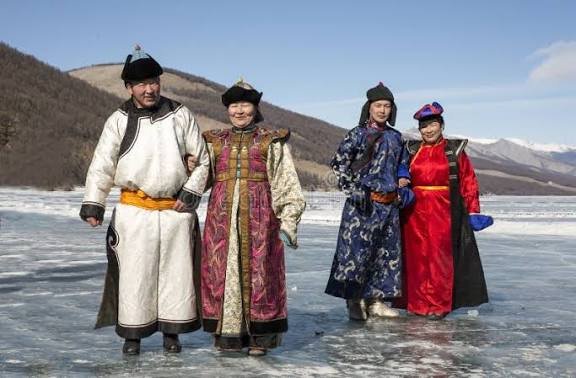
A memorable name can communicate strength, beauty, ancestry, spirituality, or family hopes before anyone learns the story behind the person carrying it today.
Choosing Mongolian Names thoughtfully means looking beyond sound alone. Many choices draw inspiration from qualities such as courage, wisdom, longevity, precious materials, natural imagery, or Buddhist traditions. Historical context matters as well, especially when a name is intended for fiction, genealogy, or culturally grounded creative work.
Mongolian Names Male
Strong masculine choices often carry associations with courage, leadership, prosperity, wisdom, endurance, and Mongolia’s natural landscape, making them especially memorable for characters and families.
- Batbayar
- Batsaikhan
- Batbold
- Bat-Erdene
- Batmunkh
- Battulga
- Batjargal
- Batkhuyag
- Batdorj
- Batnasan
- Ganbold
- Ganbaatar
- Gan-Erdene
- Gantulga
- Gankhuyag
- Ganbat
- Ganbayar
- Ganzorig
- Enkhbold
- Enkhbayar
- Enkhbat
- Enkhmunkh
- Enkhtuvshin
- Enkh-Amgalan
- Munkhbat
- Munkhbayar
- Munkh-Erdene
- Munkhsaikhan
- Munkhtulga
- Tuvshinbayar
- Tuvshinbold
- Tuvshinbat
- Tuvshinjargal
- Altankhuyag
- Altangerel
- Altanbagana
- Erdenebat
- Erdenebayar
- Erdenebileg
- Erdenemunkh
- Erdenetsogt
- Naranbaatar
- Naranbold
- Narangerel
- Ochirbat
- Ochirbold
- Purevbat
- Purevdorj
- Sukhbaatar
- Zorig
There is a solid, grounded rhythm running through this batch. Repeated elements such as Bat, Gan, Enkh, Munkh, and Erdene give many choices a recognizably Mongolian structure while still leaving plenty of variation.
A historical novel, RPG warrior, fantasy clan, gaming profile, comic character, or worldbuilding project can benefit from this style. For real-world naming, cultural background and accurate pronunciation deserve additional consideration.
Mongolian Names Female
Feminine choices can sound graceful, luminous, spirited, or quietly powerful, often drawing inspiration from flowers, jewels, light, beauty, happiness, nature, and treasured qualities.
- Altantsetseg
- Altantuya
- Ariunaa
- Ariuntsetseg
- Bolormaa
- Bolortuya
- Bolormunkh
- Buyanjargal
- Byambajargal
- Delgermaa
- Dolgormaa
- Enkhjargal
- Enkhtuya
- Enkhmaa
- Enkhtsetseg
- Erdenechimeg
- Erdenetuya
- Erdenetsetseg
- Gerelmaa
- Gereltuya
- Khaliunaa
- Khongorzul
- Mandukhai
- Munkhjargal
- Munkhtuya
- Munkhtsetseg
- Naran
- Narangerel
- Narantuya
- Narantsetseg
- Nomingerel
- Nomin-Erdene
- Odonchimeg
- Odontuya
- Oyungerel
- Oyun-Erdene
- Oyuntsetseg
- Sarangerel
- Sarantuya
- Saruul
- Solongo
- Tungalag
- Tuya
- Tsetseg
- Tsetsegmaa
- Tsetsegjargal
- Tsetsegdelger
- Uyangaa
- Yanjinlkham
- Zolzaya
Softness here does not mean weakness. Floral, celestial, jewel-like, and luminous elements sit comfortably beside names with a more commanding historical or traditional character.
Writers developing heroines, fantasy queens, visual-novel characters, game avatars, book protagonists, or culturally inspired fictional families have plenty to work with. Real naming decisions should still respect linguistic and cultural context.
Mongolian Last Names
Mongolian family identification works differently from many Western surname systems, so this collection highlights historically associated clan, tribal, patronymic, and surname-style forms worth researching carefully today.
- Borjigin
- Besud
- Jalair
- Khongirad
- Olkhonud
- Uriankhai
- Khereid
- Naiman
- Merkit
- Oirat
- Bayad
- Barga
- Buryat
- Chonos
- Suldus
- Uruud
- Mangud
- Baarin
- Arulad
- Ikires
- Qongqotan
- Qatagin
- Tayichiud
- Dörben
- Qorolas
- Onggud
- Torguud
- Khoshuud
- Dzungar
- Myangad
- Zakhchin
- Darkhad
- Dariganga
- Khotogoid
- Tsaatan
- Uzemchin
- Khorchin
- Ordos
- Chahar
- Tumet
- Gorlos
- Jarud
- Ar Khorchin
- Alasha
- Sönid
- Abaga
- Kharchin
- Khamnigan
- Sartuul
- Eljigin
This category feels noticeably different because Mongolia’s historical naming and kinship systems do not map neatly onto the familiar Western first-name-plus-hereditary-surname model. Clan and tribal identities therefore require context.
Genealogy projects, historical fiction, academic notes, ancestry research, medieval games, and detailed fictional dynasties are sensible places to investigate these forms further rather than treating every entry as a modern Western-style surname.
Ancient Mongolian Names
Ancient choices evoke imperial courts, steppe alliances, legendary commanders, noble families, and personalities preserved through chronicles, making this category particularly compelling for history enthusiasts and storytellers.
- Temujin
- Qasar
- Qachiun
- Temüge
- Belgutei
- Yesügei
- Bartan
- Qabul
- Ambaghai
- Hotula
- Bodonchar
- Khaidu
- Tumbinai
- Kabul
- Toghrul
- Jamukha
- Jebe
- Subutai
- Muqali
- Boorchu
- Jelme
- Chilaun
- Sorqan-Shira
- Qorchi
- Kököchu
- Shigi Qutuqu
- Chagatai
- Ögedei
- Tolui
- Jochi
- Batu
- Berke
- Möngke
- Ariq Böke
- Hulagu
- Guyuk
- Kadan
- Köchü
- Alchi
- Qutuqa Beki
- Toquchar
- Boroqul
- Qubilai
- Qadaq
- Alaq
- Quchar
- Negüdei
- Buqa
- Qadan
- Yesün Temür
There is immediate historical weight in this batch. Many entries are associated with figures, lineages, commanders, princes, allies, or personalities connected with the broader medieval Mongol world.
Historical novels, strategy games, documentaries, classroom projects, fictional khanates, and alternate-history stories are obvious applications. When depicting real historical people, verify spelling variants and chronology before publication.
Mongolian Names And Meanings
Meaning-focused choices reveal how concepts such as peace, eternity, treasure, happiness, steel, light, flowers, wisdom, and good fortune can become meaningful building blocks within personal naming traditions.
- Altan — Golden
- Altangerel — Golden light
- Altantsetseg — Golden flower
- Amar — Peaceful
- Amarbayasgalan — Peace and happiness
- Amgalan — Peaceful or tranquil
- Ariun — Pure
- Baatar — Hero
- Bat — Strong or firm
- Batbayar — Firm joy
- Batjargal — Firm happiness
- Batmunkh — Firm eternity
- Bayar — Joy
- Bayasgalan — Happiness
- Bileg — Wisdom or intelligence
- Bolor — Crystal
- Chimeg — Ornament
- Delger — Flourishing
- Enkh — Peace
- Enkhjargal — Peaceful happiness
- Erdene — Treasure or jewel
- Gan — Steel
- Ganbold — Steel strength
- Gerel — Light
- Jargal — Happiness
- Khishig — Blessing or fortune
- Khongor — Dear or beloved
- Munkh — Eternal
- Naran — Sun
- Nomin — Lapis lazuli
- Odon — Star
- Odgerel — Starlight
- Ochir — Vajra or thunderbolt
- Oyun — Wisdom or intelligence
- Saikhan — Beautiful
- Sar — Moon
- Sarangerel — Moonlight
- Saruul — Clear or bright
- Solongo — Rainbow
- Sukh — Peace or well-being
- Suld — Spirit or standard
- Tenger — Sky or heaven
- Tsetseg — Flower
- Tuya — Ray of light
- Tungalag — Clear or pure
- Ulaan — Red
- Uyangaa — Melody
- Zaya — Fate or destiny
- Zol — Good fortune
- Zorig — Courage
Meaning adds another layer to Mongolian Names, especially when familiar elements recur in different combinations. A name may communicate an aspiration, admired quality, precious object, natural image, or spiritual concept.
Character creators can match meanings to personality traits, while parents, students, writers, and language enthusiasts can use the translations as starting points. Exact interpretation can depend on spelling, compound structure, and linguistic context.
Modern Mongolian Names
Contemporary choices often preserve familiar linguistic elements while sounding practical for present-day life, creating an appealing balance between cultural continuity, individuality, positive meaning, and modern identity.
- Anu
- Anujin
- Anudari
- Anungoo
- Bilguun
- Bilguudei
- Chinguun
- Chingun
- Dulguun
- Enar
- Enerel
- Enkhjin
- Enkhriimaa
- Enkhzul
- Erkhes
- Erkhembayar
- Gunj
- Huslen
- Indra
- Iveel
- Maral
- Maralmaa
- Margad
- Mergen
- Misheel
- Munkhjin
- Nandin
- Nandinjargal
- Nandin-Erdene
- Nominjin
- Nomun
- Orgil
- Orgiluun
- Sanchir
- Sondor
- Sondor-Erdene
- Tana
- Tenuun
- Tergel
- Tsolmon
- Ujin
- Undram
- Uyanga
- Yalguun
- Yesui
- Zayaanaa
- Zolboo
- Zolzaya
- Zulaa
- Zul
This group has a lighter contemporary rhythm than the imperial and medieval categories. Shorter forms sit beside modern compounds, creating enough variety for someone who wants cultural character without an overtly historical sound.
Contemporary fiction, social profiles, original characters, modern dramas, gaming identities, and creative projects suit the category naturally. Anyone selecting a real personal name should confirm contemporary usage and preferred spelling.
Common Mongolian Names
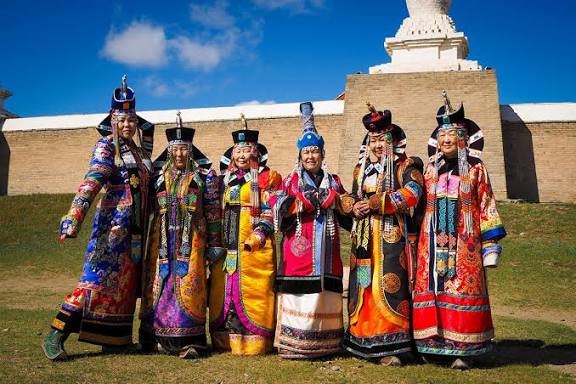
Frequently encountered naming elements create a familiar local character, with combinations built around ideas like strength, peace, eternity, treasure, happiness, beauty, steel, light, and prosperity today.
- Adiya
- Amaraa
- Amarsaikhan
- Amartuvshin
- Badrakh
- Baasanjav
- Batsuren
- Bayarsaikhan
- Bayarmagnai
- Bayarkhuu
- Bayasgalan
- Bold
- Boldbaatar
- Bold-Erdene
- Boldsaikhan
- Byambadorj
- Byambasuren
- Davaadorj
- Davaajargal
- Davaasuren
- Dorj
- Dorjpalam
- Dorjsuren
- Enkhsaikhan
- Erdenebaatar
- Galsan
- Jargalsaikhan
- Lkhagva
- Lkhagvasuren
- Munkhbaatar
- Munkhbold
- Nergui
- Nyamdorj
- Nyamsuren
- Otgonbayar
- Otgonbat
- Otgonjargal
- Purevsuren
- Ragchaa
- Sandag
- Sodnom
- Sukhbold
- Sukhjargal
- Suren
- Tserendorj
- Tserenjav
- Tserenpuntsag
- Tumurbaatar
- Tumurbold
- Ulziibayar
Familiarity gives this group its appeal. The combinations feel less like museum pieces and more like names belonging to everyday people, while still retaining distinctive linguistic patterns and culturally recognizable components.
A present-day novel, classroom example, fictional sports roster, contemporary game, screenplay, or family tree can draw from this category. Authentic character creation benefits from matching names with appropriate age and social context.
Popular Mongolian Names
Popular-sounding choices combine recognizable components with memorable rhythms, giving writers and name seekers accessible options that feel distinctive without becoming unnecessarily complicated, obscure, or difficult to remember.
- Achit
- Ankhbayar
- Ankhbold
- Ankhbileg
- Ankh-Erdene
- Ankhjargal
- Batzaya
- Batzorig
- Bayarbat
- Bayarbold
- Bayarjargal
- Chuluun
- Chuluunbat
- Chuluunbold
- Dashdorj
- Dashnyam
- Dashzeveg
- Delgerbayar
- Delgerbat
- Delgerdalai
- Enkhbaatar
- Enkhdelger
- Enkhtaivan
- Erdenejargal
- Erdenesaikhan
- Gantumur
- Gerelbaatar
- Jargal
- Jargalbat
- Jargalbold
- Khurelbaatar
- Khurelbold
- Khurelsukh
- Luvsan
- Luvsandorj
- Magnai
- Munkhdalai
- Natsagdorj
- Nямдорж
- Otgonbaatar
- Otgonbold
- Purevjav
- Sainbayar
- Sainkhuu
- Tsogt
- Tsogtbaatar
- Tsogtbayar
- Tumur
- Tumur-Ochir
- Zorigt
Energy is the defining feature here. Strong consonants and recognizable compounds produce names that can feel confident, personable, and easy to distinguish within a larger cast of characters.
Try them for MMORPG heroes, fictional athletes, adventure stories, graphic novels, group-chat identities, or character generators. Writers creating contemporary Mongolian characters should verify current popularity rather than assuming every entry is equally widespread.
Traditional Mongolian Names
Traditional choices often preserve themes of blessing, protection, religion, strength, longevity, family fortune, precious objects, and admired virtues passed through Mongolia’s evolving cultural and spiritual landscape.
- Agvaan
- Agvaandorj
- Badam
- Badamdorj
- Baldan
- Baldandorj
- Banzragch
- Bazarragchaa
- Chimed
- Choijilsuren
- Damdin
- Damdinsuren
- Danzan
- Danzandarjaa
- Dash
- Dashdondog
- Dorlig
- Gombo
- Gombosuren
- Gonchig
- Gonchigdorj
- Jamsran
- Jamyan
- Jigjid
- Lkhundev
- Lubsang
- Luvsanchoimbol
- Mijid
- Namkhai
- Natsag
- Norov
- Ochir
- Puntsag
- Puntsagnorov
- Rentsen
- Rinchin
- Sambuu
- Sanjaa
- Shagdar
- Sodnomdarjaa
- Tsend
- Tsend-Ayush
- Tseren
- Tserendondov
- Tserennadmid
- Ulzii
- Yondon
- Yondonjamts
- Yunden
- Zundui
There is a distinctly older cadence to many entries in this category. Buddhist and Tibetan linguistic influence becomes more noticeable, reflecting layers of religious and cultural history rather than a single frozen naming tradition.
Period dramas, multigenerational novels, genealogy exercises, cultural research, historical characters, and documentary projects can make good use of this material. Check historical period and regional usage when accuracy matters.
Medieval Mongolian Names
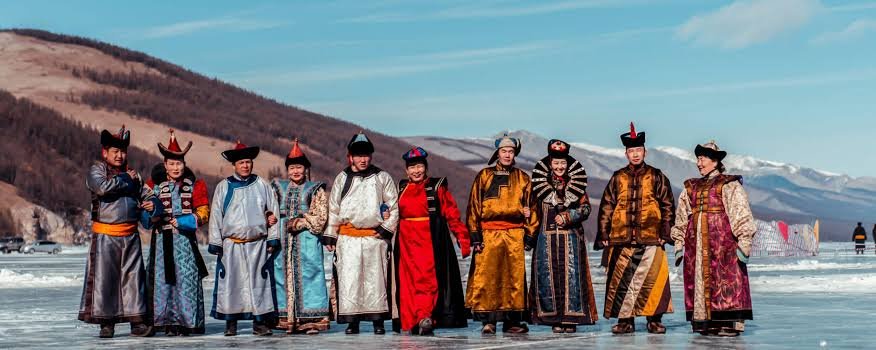
Medieval choices carry the atmosphere of the Mongol Empire, military campaigns, royal succession, diplomatic alliances, tribal politics, and court life across thirteenth and fourteenth century Eurasia.
- Abaqa
- Alghu
- Arghun
- Baidar
- Baiju
- Baraq
- Buri
- Buqa-Temür
- Chormaqan
- Duwa
- Eljigidei
- Esen Buqa
- Geikhatu
- Ghazan
- Hadan
- Khabul
- Khadan
- Khulgen
- Khutughtu
- Kökö Temür
- Küchlüg
- Melik Temür
- Negudar
- Nogai
- Orda
- Qaidu
- Qadan
- Qara Hülegü
- Qonqortai
- Qutlugh
- Sartaq
- Shiban
- Tarmashirin
- Tekuder
- Tode Mongke
- Tokhta
- Toqta
- Toqoqan
- Tuda Mengu
- Tugh Temür
- Ulaghchi
- Urus
- Yesü Möngke
- Yisünto’a
- Yobuqur
- Qurumshi
- Mö’etüken
- Bujek
- Tangqut
- Qonichi
Politics, conquest, kinship, and succession give this batch a very different personality from modern categories. Several spellings also reflect the complicated transliteration of medieval names across Mongolian, Persian, Chinese, and European sources.
Strategy games, empire simulations, historical fiction, medieval maps, tabletop campaigns, and documentary scripts are natural fits. Researchers should compare scholarly sources because one historical figure may appear under several Romanized spellings.
Old Mongolian Names
Older naming forms can sound rugged, ceremonial, aristocratic, or distinctly steppe-inspired, making them useful when seeking choices connected with chronicles, ancestral traditions, early clans, and legendary personalities.
- Alan Goa
- Alungoo
- Borte Chino
- Goa Maral
- Dobun Mergen
- Duva Sokhor
- Belgunutei
- Bugunutei
- Bukha Khatagi
- Bukhatu Salji
- Bodonchar Munkhag
- Habich Baatar
- Menen Tudun
- Khachi Khuleg
- Khaidu Khan
- Baishinkhor
- Tumbinai Setsen
- Khabul Khan
- Bartan Baatar
- Nekun Taishi
- Daritai Otchigin
- Yesugei Baatar
- Bekter
- Temulun
- Hoelun
- Sochigel
- Börte
- Yesugen
- Yesui Khatun
- Khulan
- Alaqai Beki
- Checheyigen
- Tümelün
- Sorghaghtani
- Doquz Khatun
- Oghul Qaimish
- Töregene
- Qutui Khatun
- Ibaqa Beki
- Gurbesu
- Qulan Qatun
- Beki
- Altalun
- Qojin Beki
- Qutulun
- Bulughan
- Kelmis
- Qada’an
- Qorijin
- Ebegei
An ancestral atmosphere runs through the entire collection. Some entries are personal names, while others appear in historical sources with titles or descriptive components, which gives them additional texture for historical exploration.
Epic fiction, ancestry-inspired worldbuilding, medieval role-playing campaigns, history channels, classroom timelines, and illustrated chronicles can use these forms effectively. Treat historical titles carefully when adapting them into fictional personal names.
Naming Secrets For Finding The Right Choice
Picking a culturally grounded name becomes easier when sound, meaning, historical period, spelling, and intended use are considered together instead of simply choosing whichever option looks unusual.
- Check the meaning before choosing Mongolian Names, especially when naming a real person or culturally specific fictional character.
- Decide whether you want a modern, historical, traditional, masculine, feminine, or neutral feel.
- Read the name aloud several times to test pronunciation and rhythm.
- Research transliteration variants when using medieval or ancient historical figures.
- Avoid treating clan names, titles, patronymics, and personal names as interchangeable.
- For fiction, match the name to the character’s historical period, background, personality, and setting.
Read: Archer Names
Read: Paladin Names
Read: Alien Names
Read: Druid Names
FAQs
How Do Mongolian Personal Names Usually Work?
Modern naming conventions commonly involve a personal name alongside a patronymic connected to the father’s given name. The system therefore differs from the hereditary surname structure familiar in many Western countries.
Why Do Some Names Share The Same Elements?
Elements associated with concepts such as peace, strength, treasure, eternity, light, or happiness can appear in multiple compound names. Combining meaningful elements creates numerous distinct personal-name forms.Are Historical Spellings Always Consistent?
Can Historical Names Be Used For Fictional Characters?
Yes, particularly in historical or fantasy fiction. It is still worth researching whether a choice belongs to the period, region, gender, or social setting represented by your character.
Are Clan Names The Same As Western Surnames?
Not necessarily. Mongolian kinship, clan, patronymic, and modern surname practices have their own historical development, so applying a Western surname model can create inaccuracies.
How Can I Check A Name’s Correct Pronunciation?
Consult native-speaker recordings, Mongolian-language dictionaries, educational resources, or reliable linguistic references. Romanized spelling alone does not always communicate pronunciation perfectly.
Conclusion
A good name becomes more memorable when its sound is supported by history, meaning, and cultural context. This collection of Mongolian Names ranges from contemporary personal choices to ancient figures, medieval forms, traditional compounds, feminine selections, masculine options, and clan-associated identities.
Use it as a discovery resource rather than assuming every historical form functions exactly like a modern personal name. For fiction and games, you can narrow the options by personality and setting; for serious cultural or personal use, verify pronunciation and contemporary usage with reliable Mongolian sources. If you have a favorite from the collection, share the one that caught your attention most.